The man who
changed how we
understand the
universe
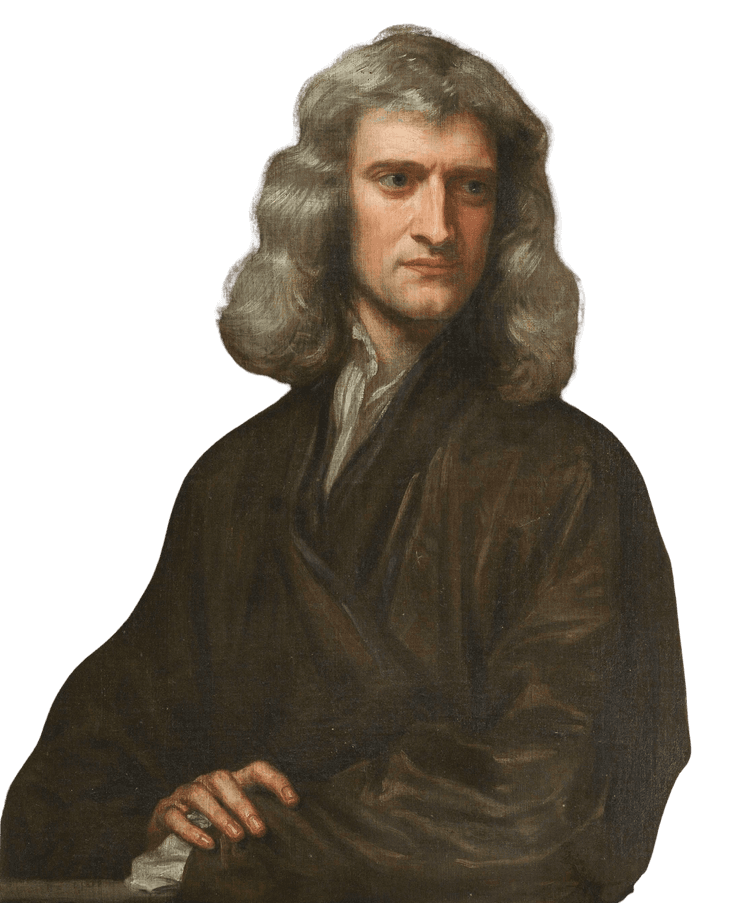

THE MAN BEHIND THE MIND.
Sir Isaac Newton was an English polymath who was a mathematician, physicist, astronomer, alchemist, theologian, author and inventor. He was a key figure in the Scientific Revolution and the Enlightenment that followed. His book Philosophiæ Naturalis Principia Mathematica (Mathematical Principles of Natural Philosophy), first published in 1687, achieved the first great unification in physics and established classical mechanics. Newton also made seminal contributions to optics, and shares credit with the German mathematician Gottfried Wilhelm Leibniz for formulating infinitesimal calculus, although he developed calculus years before Leibniz. Newton contributed to and refined the scientific method, and his work is considered the most influential in bringing forth modern science.
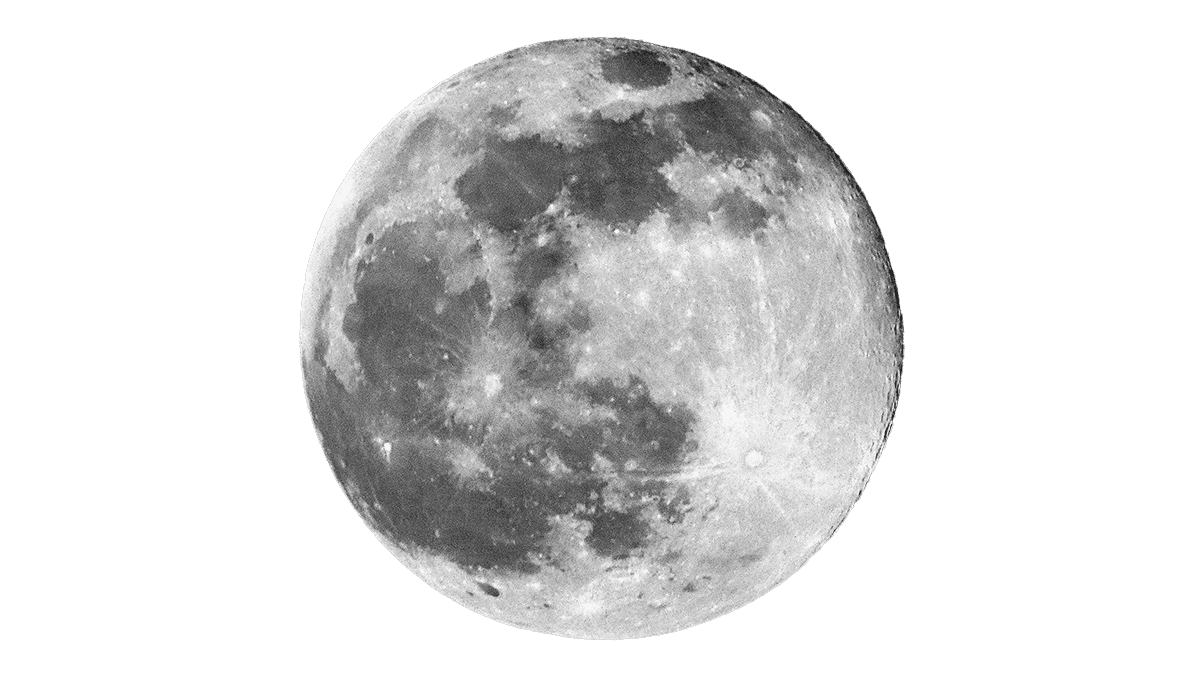
BEFORE THE LAWS, THERE WAS A QUESTION.
"Why does the Moon stay in the sky while an apple falls to the ground?"
THE BOY FROM WOOLSTHORPE
1643
Woolsthorpe, England
Isaac Newton was born in a small village in Lincolnshire. His childhood was far removed from the great scientific revolution he would eventually help create.

1661
CAMBRIDGE
Isaac Newton was born in a small village in Lincolnshire. His childhood was far removed from the great scientific revolution he would eventually help create.
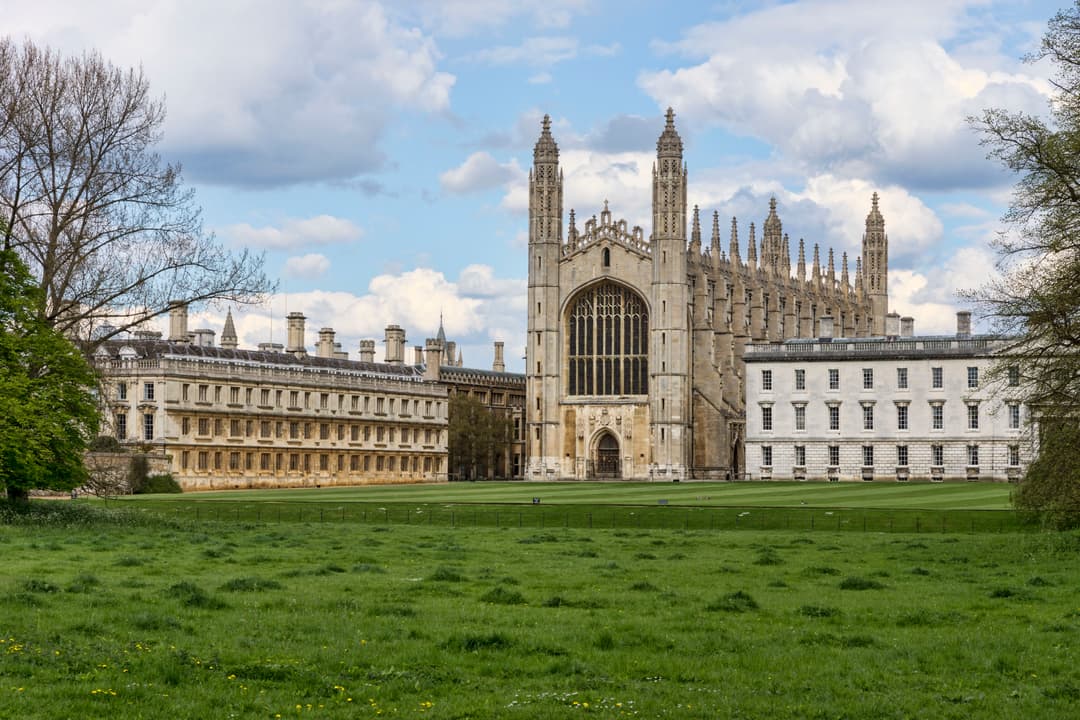
1665
CAMBRIDGE CLOSED.
The plague forced Newton to return home.
AND THEN, HE BEGAN
TO ASK DIFFERENT QUESTIONS.
THE YEAR OF WONDERS
1665–1667
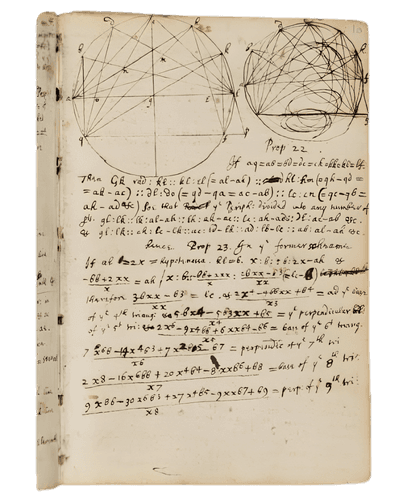
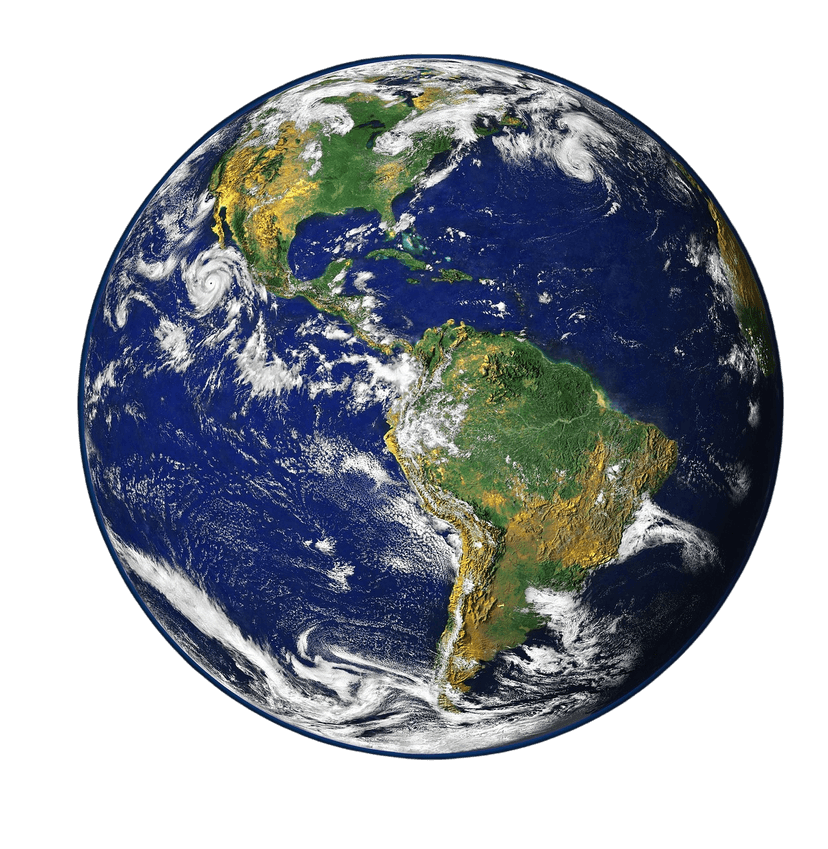
Calculas
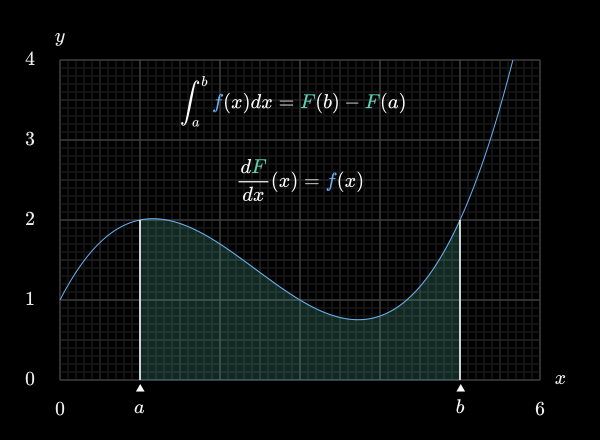
Newton developed calculus to describe change and motion mathematically—giving him a powerful new way to understand the physical world.
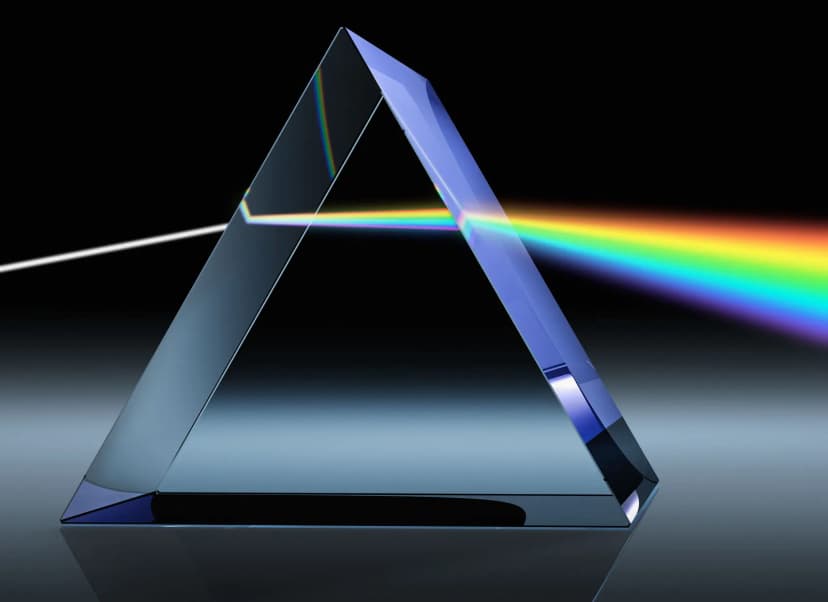
MoreOptics
Newton developed calculus to describe change and motion mathematically—giving him a powerful new way to understand the physical world.
More